
Recover From Coercive Control
What is Coercive Contorl?
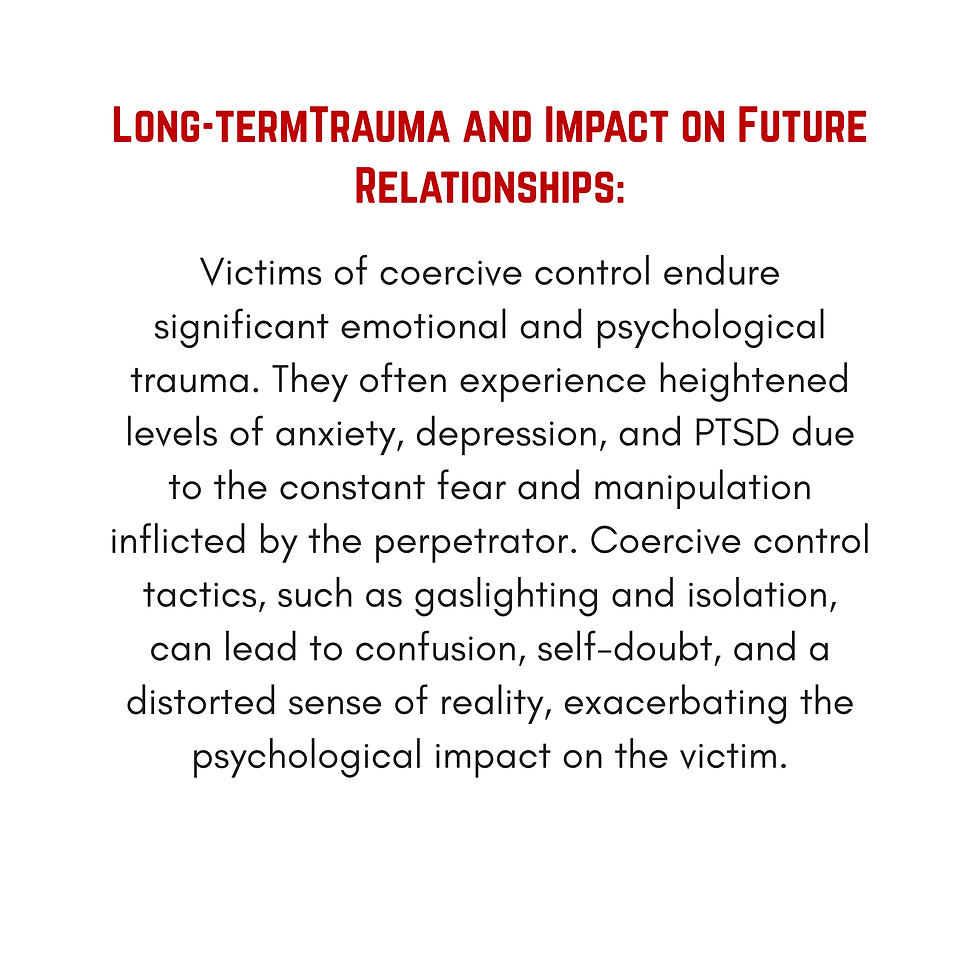
Coercive control encompasses tactics used to dominate and manipulate individuals. It is best understood to be a sum of parts not a single act or behaviour.

Something didn’t feel right…
Most people don’t set out thinking: “I might be in a high-control situation.”
It usually starts much smaller than that. A feeling. A doubt. A moment where something doesn’t quite add up.
And then… you move on.
Because on the surface, everything can look normal.
What is coercive control?
Coercive control isn’t just one behaviour.
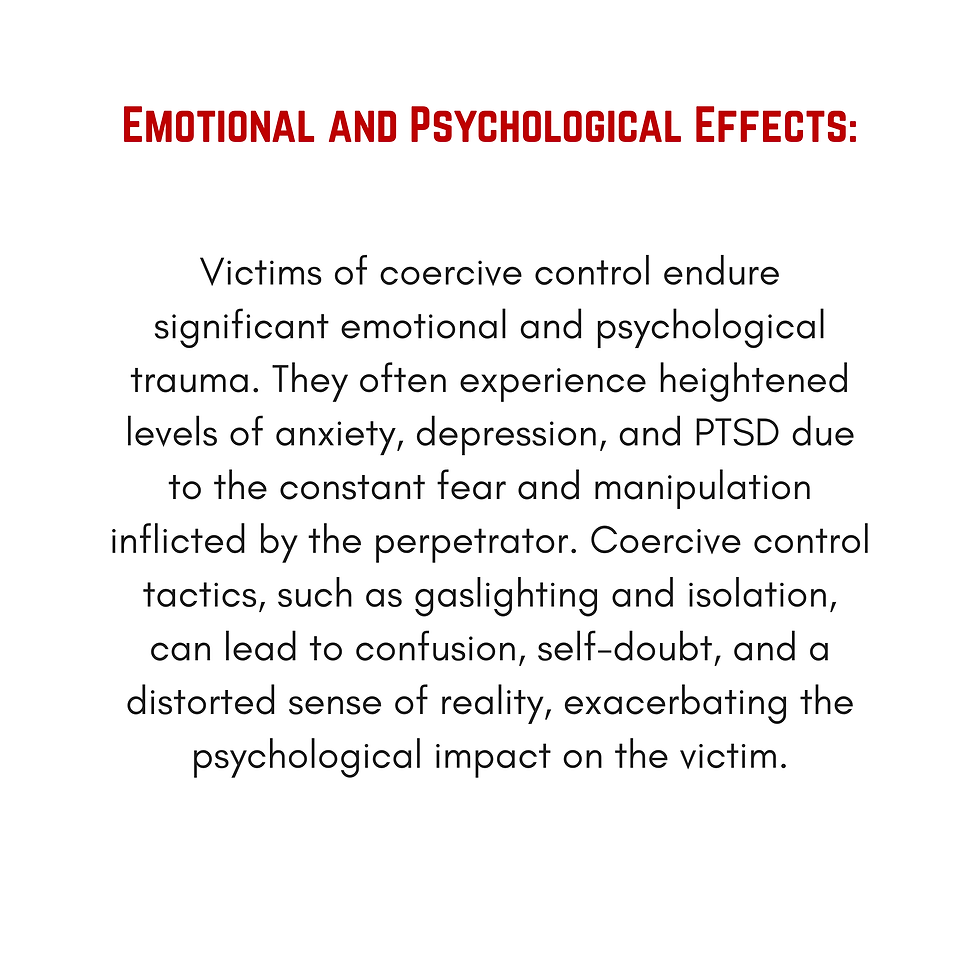
It’s a pattern—a gradual process where influence, pressure, and control begin to shape how you think, feel, and act.
It can involve:
-
subtle manipulation
-
emotional pressure
-
dependency
-
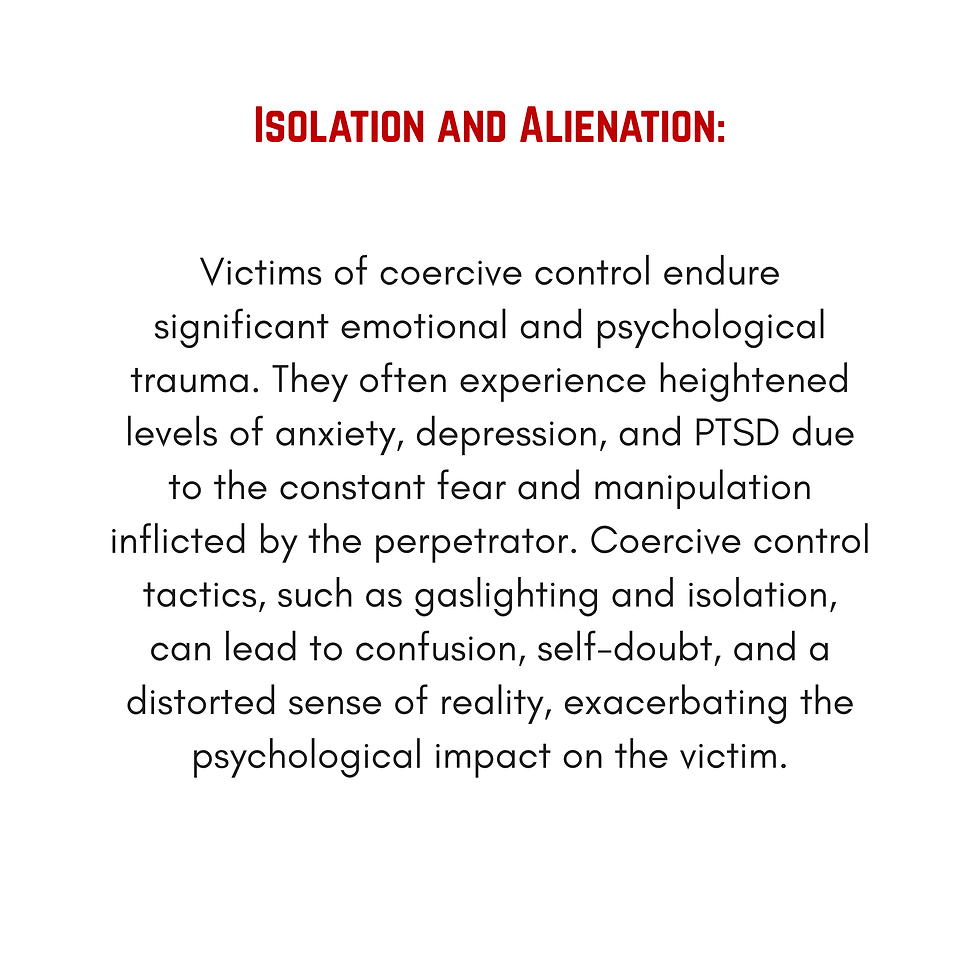
isolation
-
fear (sometimes obvious, sometimes not)
Not all of these appear at once.
And not all of them are easy to recognise while you’re inside the situation.
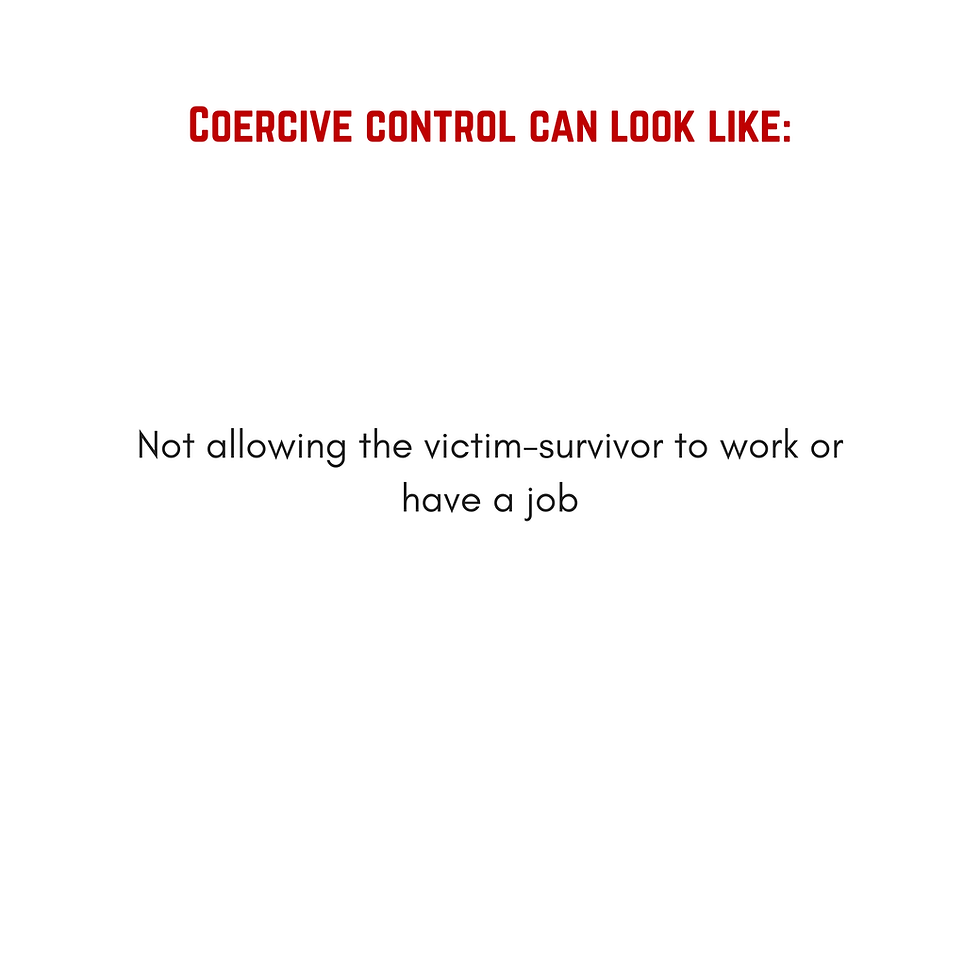
High-Control Tactics

High-Control Tactics
High-Control Tactics
High-Control Tactics
Why it’s so hard to see
High-control dynamics rarely begin with force.
They often begin with:
-
connection
-
belonging
-
certainty
-
answers
Over time, things can shift.
Boundaries blur. Doubts are dismissed.
Your instincts become harder to trust.
From the outside, it might seem obvious.
From the inside, it rarely feels that way.
It doesn’t always look like a “cult”
Coercive control can exist in:
-
organised fringe groups
-
belief systems
-
relationships
-
families
Sometimes it’s large and visible. Sometimes it’s what I describe as a “cult of one.”
The structure may differ—but the underlying patterns are often similar.
You don’t have to figure it all out at once
For many people, understanding comes in layers. You might recognise something small at first. Then return later and see more. That’s normal.
A way to make sense of it
If you’re starting to question things, it can help to look at patterns more clearly.
I’ve developed a trauma-informed rubric that breaks coercive control into its component parts—so you can explore what fits, and what doesn’t, in your own experience.
Where to next?
You don’t need to follow a fixed path—but if it helps, you can continue here by clicking words on the honeycomb >>>
This links will help you:
🔘 See common patterns in more detail
🔘 Explore real-world group examples
🔘 Read reflections and insights
🔘 Find support for recovery
 19 |
|---|
 11 |
 23 |
 24 |
 21 |
 22 |
 12 |
 25 |
 9 |
 7 |
 3 |
 18 |
 14 |